
Your doctor celebrated the number on the scale. Nobody mentioned what was happening in the shower drain. If you're on Ozempic, Wegovy, Mounjaro, or another GLP-1 medication and you've noticed more hair falling out, you're not imagining it — and you're not alone. Studies suggest between 25–33% of people on GLP-1 agonists experience noticeable hair shedding within the first six months of treatment.
The good news: it's almost always temporary, and it's entirely addressable. But you need to understand why it's happening before you can stop it.
If you want both steps in one routine, the GLP-1 Hair Loss Kit pairs sugar-free liquid collagen with biotin and a niacinamide scalp serum. On a GLP-1? Ask your prescriber first.
Why GLP-1 Medications Cause Hair Loss
GLP-1 medications work by suppressing appetite and slowing digestion. This leads to rapid caloric restriction — often far more severe than the body expects. When your body enters a significant caloric deficit, it prioritizes organ function and diverts nutrients away from what it considers "non-essential" systems. Hair, unfortunately, is one of them.
This triggers a condition called Telogen Effluvium: a synchronized, stress-induced shift where a large number of follicles simultaneously exit the active growth phase and enter a resting state. Three to four months later, those hairs shed at the same time — which is why the timing can feel sudden and alarming. The same mechanism drives cortisol-related hair shedding.
There's a second factor specific to GLP-1 users: nutritional depletion. Reduced food intake often leads to lower protein consumption. Since hair is made almost entirely of keratin — a protein — a sustained protein deficit directly degrades your hair's structural integrity and slows regrowth.
Clinical Note: A 2023 analysis of FDA Adverse Event Reporting System (FAERS) data found hair loss among the top 10 reported side effects of semaglutide, the active compound in Ozempic and Wegovy. Researchers attributed the mechanism primarily to rapid weight loss-induced Telogen Effluvium rather than direct drug toxicity.
Is GLP-1 Hair Loss Permanent?
No. GLP-1-related hair loss is almost always temporary. Your follicles are not damaged — they've been disrupted. Once your body stabilizes on the medication, caloric intake normalizes (even at a lower level), and nutritional support is in place, the hair cycle typically restores itself. Most women see shedding slow within 4–6 months and new growth appear by month 6–9.
The key word is support. Left unaddressed, Telogen Effluvium can become chronic if the triggering stressors (nutrient deficit, elevated cortisol) remain active. Proactive intervention makes a measurable difference.
The 3-Phase Timeline of GLP-1 Hair Loss
- Month 1–3 (The Silent Phase): Follicles shift into resting mode but visible shedding hasn't started yet. This is the best time to begin a support protocol — intervening here shortens the shedding window significantly.
- Month 3–6 (Peak Shedding): The resting hairs shed simultaneously. This is alarming but temporary. You'll notice more hair in the shower, on your pillow, and when brushing. Consistent scalp care and protein support are critical here.
- Month 6–9 (Recovery): Shedding slows and new baby hairs emerge along the hairline. Hair feels weaker before it feels stronger. With the right actives at the follicle level, this phase accelerates.
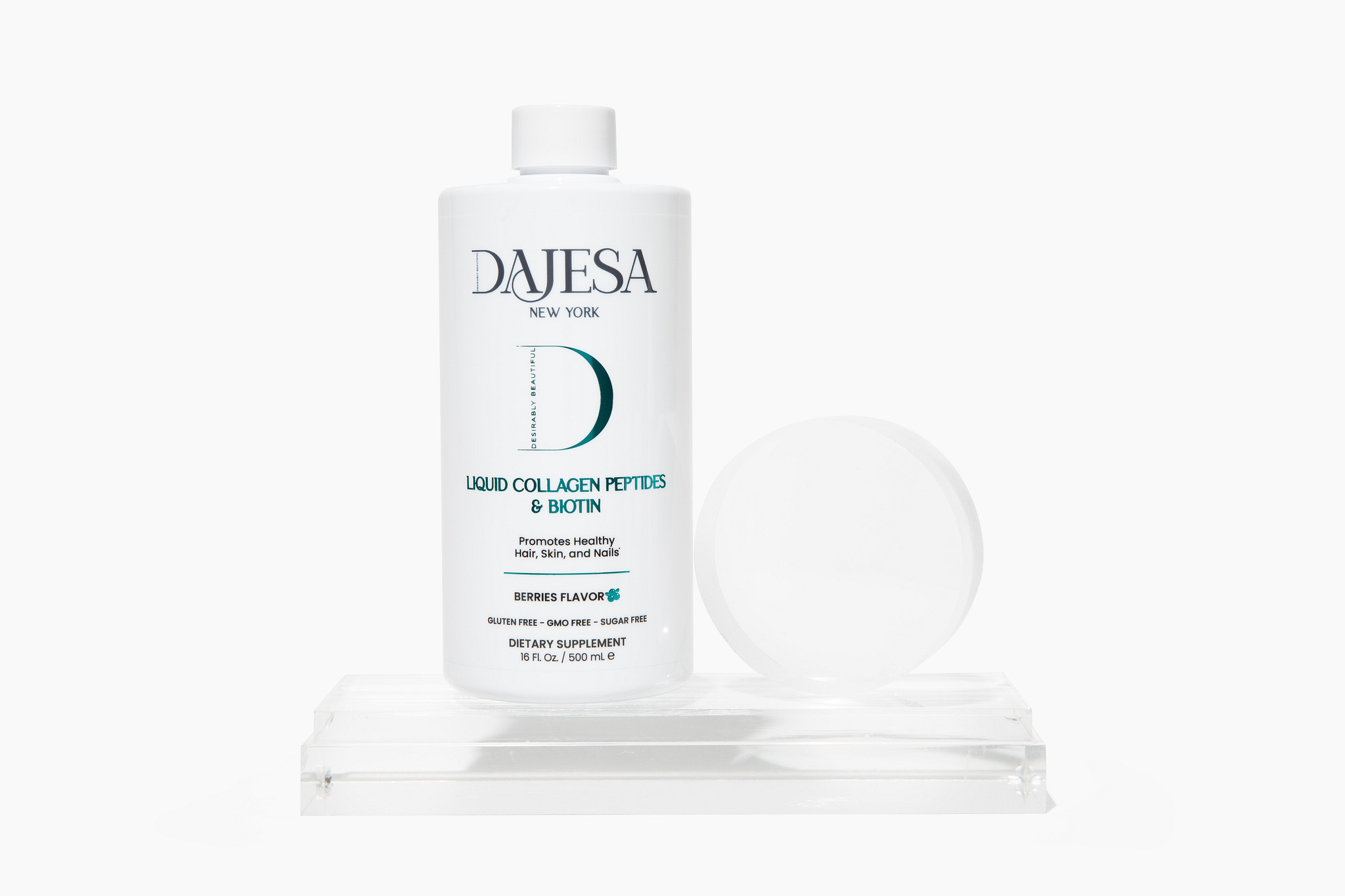
Liquid Collagen Peptides & Biotin
A daily liquid supplement delivering 1,250 mg of hydrolyzed collagen peptides and 1,000 mcg of biotin — the essential building blocks for strong...
The 5 Things That Actually Help
1. Replenish protein at the follicle level
This is the most direct intervention. Liquid collagen peptides are the most bioavailable form of protein for hair — they bypass the digestive bottlenecks that reduce standard protein's effectiveness. Zero sugar, no bloating, compatible with GLP-1 metabolism. Aim for a minimum of 10–20g of collagen peptides daily during active shedding.
2. Anchor follicles with Niacinamide + Adaptogens
The scalp's follicle barrier weakens during Telogen Effluvium. Niacinamide (Vitamin B3) strengthens the follicle's attachment structure and reduces the inflammation that accelerates shedding. Combined with adaptogens like Ashwagandha and Maca Root — which directly suppress cortisol — this combination addresses the two root mechanisms: structural weakness and stress signaling. See our full breakdown of niacinamide for scalp health.
3. Maintain scalp circulation through massage
A 4–5 minute daily scalp massage increases microcirculation to dormant follicles. Research from Aderans Research Institute showed that daily scalp massage increased hair thickness after 24 weeks. It costs nothing and takes minutes.
4. Protect against DHT amplification
Rapid weight loss can temporarily elevate androgen activity. In genetically sensitive follicles, this can compound GLP-1-related shedding. Topical saw palmetto or a DHT-blocking scalp formula provides a protective layer at the follicle. For the full picture, see our guide to DHT and saw palmetto.
5. Track protein intake deliberately
On a GLP-1, you may be eating 40–60% fewer calories. Even if the percentage of protein in your diet stays the same, the absolute amount often drops significantly. Target at least 70–80g of dietary protein per day, supplementing with collagen if whole food sources feel challenging given your appetite suppression.
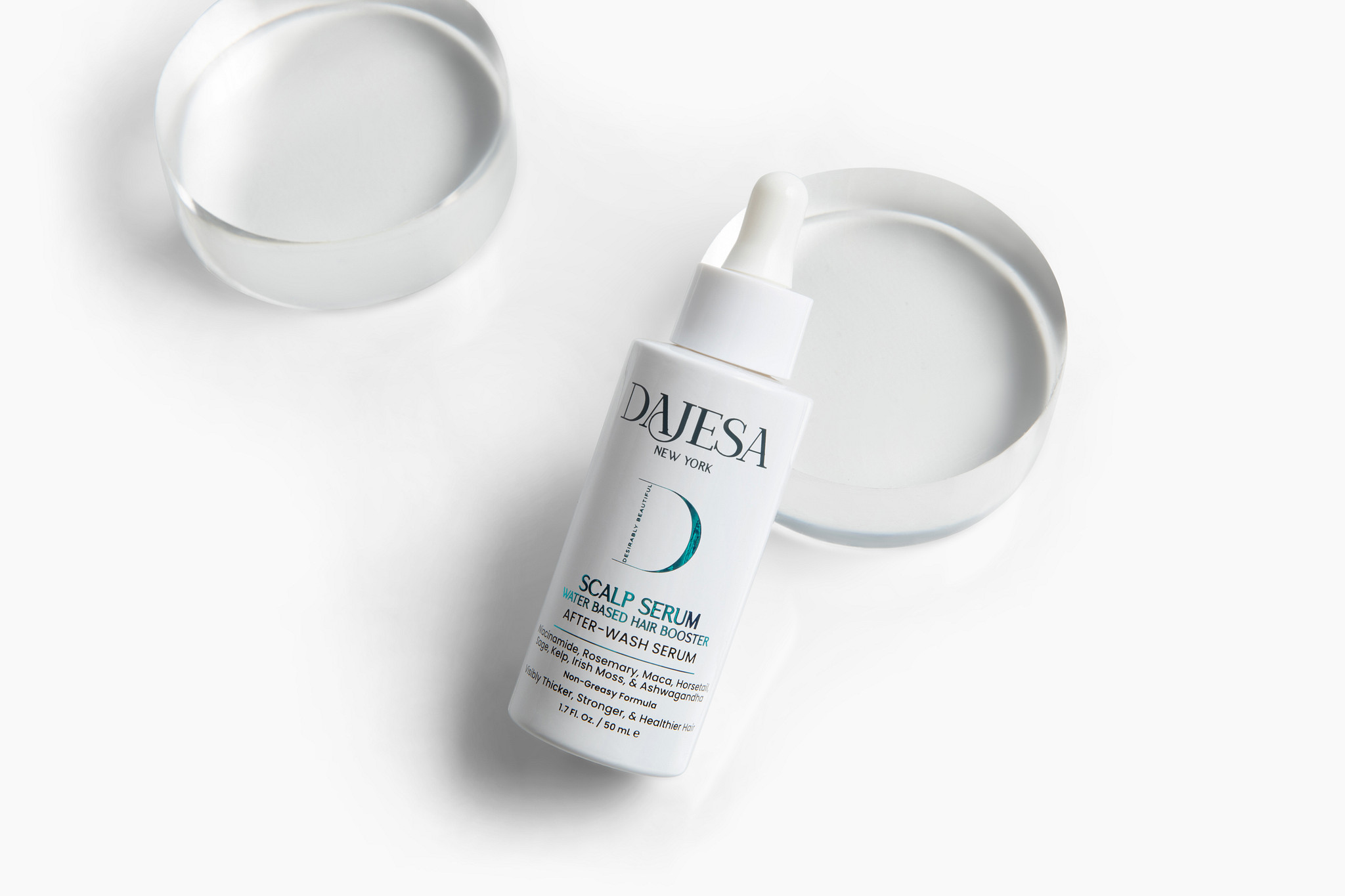
Scalp Serum
A lightweight, leave-on scalp serum powered by 10 botanical adaptogens and clinically-inspired actives that care for the scalp where hair begins.
What Doesn't Work
Generic biotin supplements: Biotin deficiency is rare in people eating a varied diet, even a restricted one. Unless you're specifically deficient, high-dose biotin pills don't stop Telogen Effluvium because biotin is not the root cause. Save your money for protein and scalp actives.
Minoxidil: Minoxidil stimulates growth in follicles that have been genetically miniaturized (Androgenetic Alopecia). GLP-1 shedding is Telogen Effluvium — a completely different mechanism. Applying minoxidil also triggers a "dread shed" (an initial increase in shedding) that's the last thing a GLP-1 user needs during an already active shedding phase.
Stopping the medication: Hair loss from GLP-1 medications typically resolves even while continuing treatment, once the body adapts to the new metabolic baseline and nutritional support is in place. Stopping the medication is rarely necessary for hair specifically.
GLP-1 Hair Loss FAQ
Is Ozempic hair loss permanent?
No. GLP-1-related hair loss is almost always temporary. It's caused by Telogen Effluvium — a stress-triggered disruption of the hair cycle — not by permanent follicle damage. With nutritional support and scalp-level care, most women see shedding slow within 4–6 months and regrowth begin by month 6–9.
When does the hair loss start after beginning GLP-1?
The follicle disruption typically begins in the first 4–8 weeks of treatment, but visible shedding often doesn't appear until months 3–4. This delay is characteristic of Telogen Effluvium — follicles shift to resting phase silently, then release hairs simultaneously weeks later. Starting a support protocol early (before shedding becomes visible) significantly shortens the shedding window.
Are collagen supplements safe to take with GLP-1 medications?
Yes. Pure collagen peptides contain no stimulants, hormones, or compounds that interact with GLP-1 receptor agonists. They are 0g sugar and highly bioavailable, making them one of the safest and most effective nutritional interventions for GLP-1 users experiencing hair loss. Always confirm with your prescribing physician if you have specific medical concerns.
How long until I see improvement?
Most women on a consistent support protocol (topical scalp care + collagen + protein optimization) notice significantly less hair in the shower within 6–8 weeks. New baby hairs typically appear around month 3–4 of treatment. Full density recovery usually takes 6–12 months — patience matters as much as consistency.
Ready to build a protection protocol tailored to your GLP-1 journey? See our GLP-1 Hair Support Plan — a bundle designed specifically for the metabolic demands of weight-loss medication.