
It's a common experience: a stressful period at work or home is followed, three months later, by an unexpected amount of hair in the shower drain. This isn't a coincidence: it's a biological fallback. When cortisol levels remain elevated, the body may deprioritize "non-essential" functions, like hair growth, to focus on immediate survival.
In clinical terms, this is Telogen Effluvium. Elevated cortisol can prematurely push active growing hairs into a resting phase. If thinning is also noticeable along the part line, it may indicate a combination of stress and hormonal DHT sensitivity. Women on GLP-1 medications like Ozempic experience a closely related mechanism — see our dedicated guide for the full breakdown.
The Biological Mechanism of Stress Shedding
Typically, 90% of hair is in the growth phase. Chronic stress disrupts this balance through several pathways:
- Inhibiting Protein Synthesis: Hair is primarily keratin. Cortisol can divert resources away from follicles to fuel the body's fight-or-flight response.
- Triggers Inflammation: Elevated stress levels produce cytokines that can damage the delicate scalp environment.
- Nutrient Depletion: The body consumes B-vitamins and magnesium at a higher rate during stress, which can leave follicles under-nourished.
Scientific Insight: A study published in 2021 by Harvard University confirmed that high corticosterone (the animal version of cortisol) suppresses the stem cells required for hair follicle regeneration.
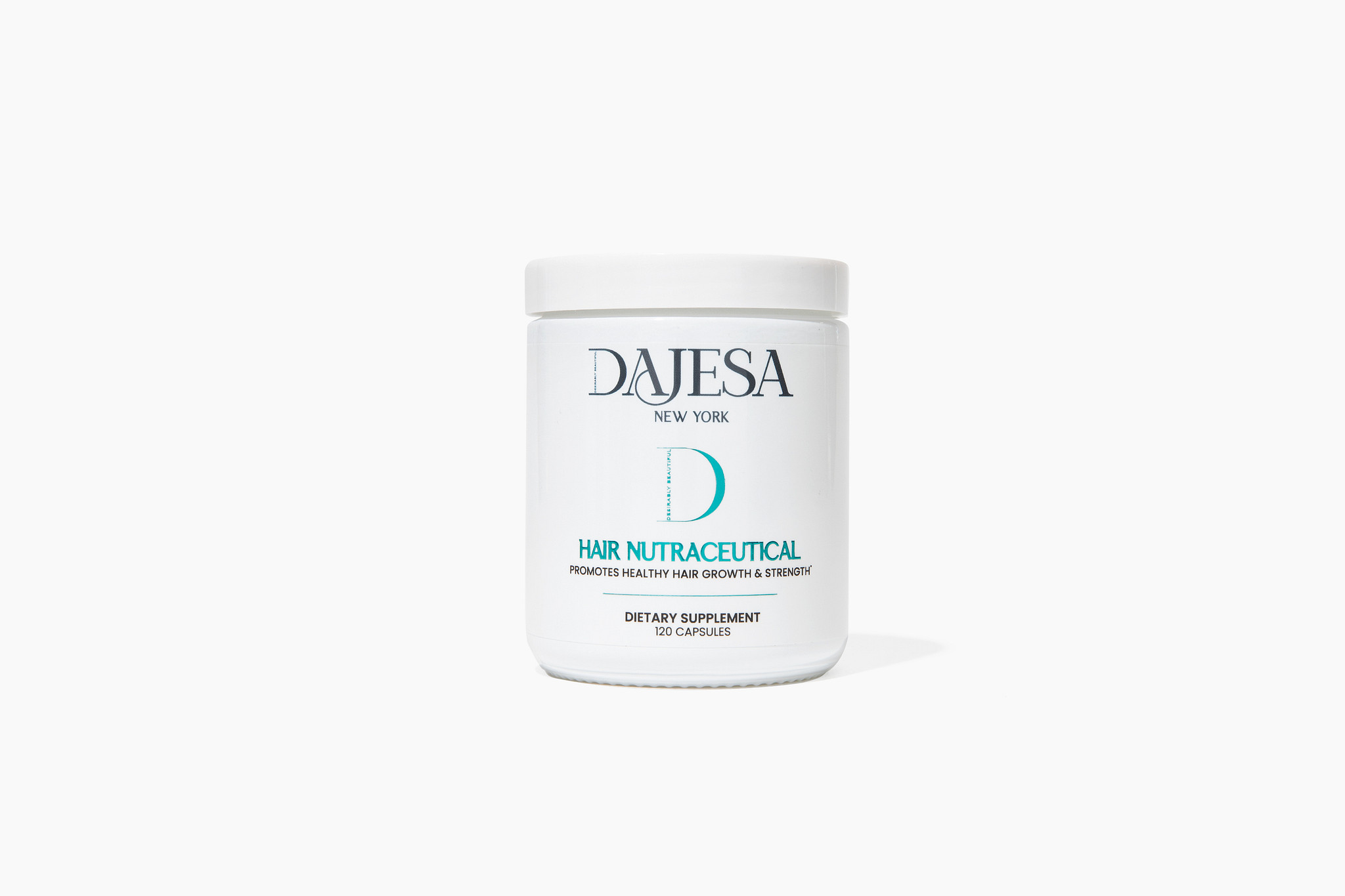
Hair Nutraceutical
A comprehensive daily hair supplement delivering 11 essential vitamins and minerals, 500 mg of collagen peptides, and a 460 mg proprietary blend of...
How to Lower Cortisol and Reactivate Growth
Reversing thinning requires addressing both the internal signals and the external symptoms. The Hair Nutraceutical features Ashwagandha, a potent adaptogen shown to lower cortisol levels by as much as 30%, effectively acting as a "mute button" for the body's stress response.
Additionally, daily scalp massages are a proven method to lower systemic stress while boosting the localized circulation necessary for follicles to return to the growth phase.
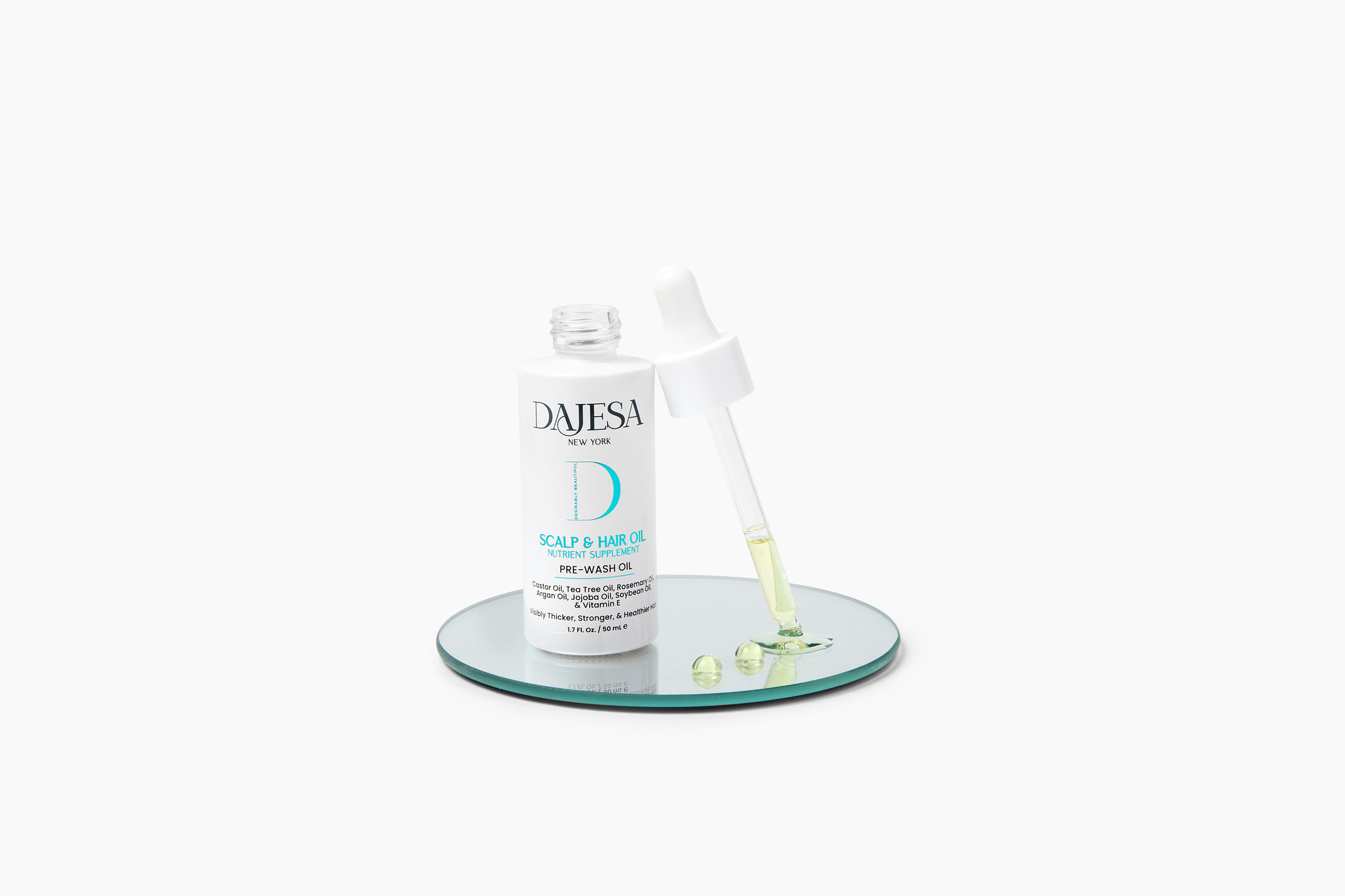
Pre-Wash Scalp Oil
A luxurious pre-wash scalp treatment that combines seven pure, cold-pressed oils to deeply nourish, stimulate, and detoxify the scalp. Designed to...
Stress Recovery FAQ
How long does stress-related shedding actually last?
The shedding phase (Telogen Effluvium) typically continues for 3 to 6 months after the initial stressor. The body needs this time to reset its cortisol levels and for follicles to safely transition back into the anagen (growth) phase. Consistency with adaptogens and scalp care is key during this window.
Can high cortisol cause permanent hair loss?
Generally, stress-driven shedding is entirely reversible. However, if chronic stress goes unmanaged for years, it can accelerate underlying genetic thinning (Androgenetic Alopecia). By addressing the cortisol spike early, you protect your follicle's long-term capability to produce thick, healthy hair.
Are adaptogens safe for daily use?
Yes, Ashwagandha and similar adaptogens are designed for long-term daily use to support your body's stress baseline. However, always consult with your physician if you are pregnant or nursing.
Will scalp massages alone stop the shedding?
Scalp massages are excellent for lowering localized tension and boosting blood flow, but they work best when paired with an internal supplement that addresses the root cause: elevated systemic cortisol.