
Direct answer: The best product for hair growth depends on why your hair is changing. For scalp imbalance, buildup, or thinning at the root, a lightweight scalp serum is often the best first step. For stress, nutritional gaps, postpartum depletion, or hormonal shedding, an internal hair supplement may be the better foundation. The strongest routines usually support both the scalp environment and the body systems that affect the hair cycle.
Hair growth products can look similar on a shelf, but they do not all solve the same problem. A shampoo can cleanse buildup. A serum can deliver actives to the scalp. An oil can support massage and comfort. A supplement can support internal nutrients and stress pathways. Choosing the right category matters more than choosing the loudest claim.
This guide is designed as a buyer's framework, not a replacement for medical care. If your hair loss is sudden, patchy, severe, painful, associated with illness, or connected to pregnancy, breastfeeding, medication, thyroid changes, anemia, or autoimmune symptoms, speak with a dermatologist or physician.
IN THIS ARTICLE
- How hair growth actually works
- Best product type by hair concern
- Ingredients worth looking for
- Why scalp skincare matters
- How to build a realistic routine
- FAQ
How Hair Growth Actually Works

Hair grows through a cycle: anagen is the active growth phase, catagen is the transition phase, and telogen is the resting or shedding phase. When more hairs shift into telogen, shedding becomes more visible. That can happen after stress, postpartum hormonal shifts, rapid weight loss, illness, nutritional depletion, scalp irritation, or androgen-related thinning.
That is why there is no single universal "best product for hair growth." The best option is the one that matches the likely driver: scalp condition, internal nutrition, hormonal pathways, or a combination of all three.
Best Product Type by Hair Concern
Use this quick framework before buying another product:
| Concern | Best first product type | Why it fits |
|---|---|---|
| Thinning at the roots or widening part | Daily scalp serum | Targets the scalp environment with lightweight actives that can be used consistently. |
| Stress-related shedding | Hair supplement plus scalp support | Supports internal stress and nutrient pathways while keeping the scalp balanced. |
| Postpartum or breastfeeding hair changes | Clinician-aware internal support and gentle scalp care | Safety matters first. Avoid aggressive actives unless cleared by a healthcare professional. |
| Buildup, oil imbalance, or itchy scalp | Scalp care routine | A healthier scalp surface helps create a better environment for follicles. |
If your main goal is a lightweight topical for root-level support, start with a dedicated scalp serum. If shedding feels connected to stress, depletion, or internal changes, compare a targeted hair nutraceutical as the foundation.
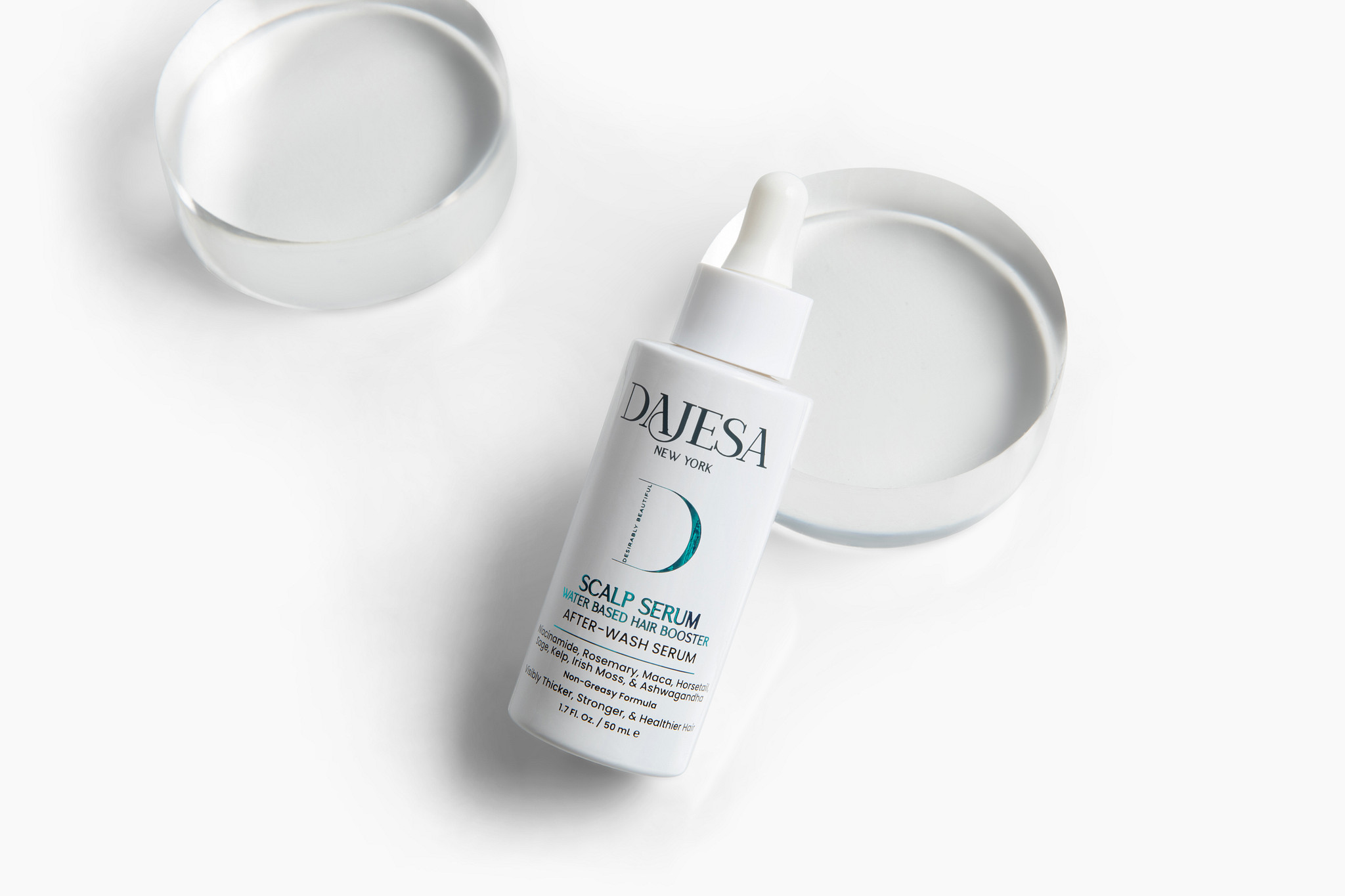
Scalp Serum
A lightweight, leave-on scalp serum powered by 10 botanical adaptogens and clinically-inspired actives that care for the scalp where hair begins.
Ingredients Worth Looking For

When comparing hair growth products, look past the headline claim and evaluate the ingredient logic.
- Niacinamide: Supports the scalp barrier and oil balance. For more detail, read the DAJESA guide to niacinamide for scalp and hair growth context.
- Caffeine: Commonly used in scalp formulas for follicle-area energizing and microcirculation support.
- Rosemary: Often used in scalp routines for botanical support and scalp comfort. It is not a guaranteed replacement for medical hair loss treatments.
- Ashwagandha: Useful in supplement routines when stress load may be part of the shedding picture.
- Biotin, zinc, vitamin D, collagen, and amino acids: Support the nutritional side of hair health when intake or depletion is a concern.
A good formula should also be usable. Heavy oils can be helpful before washing, but many people need a non-greasy daily product that does not flatten fine hair or force extra wash days.
Why Scalp Skincare Matters
The scalp is skin. It has a barrier, oil activity, follicles, microbiome considerations, and inflammation signals. That is why the "hair skincare" movement has become more than a trend: it reframes hair growth as scalp care plus internal support, not just strand repair.
Traditional products often focus on making existing hair feel smoother. That can help the look of hair, but it does not necessarily support the root environment. A scalp-first product should be lightweight, targeted, and designed for repeated use where the follicle lives.
For a broader scalp routine, pair this article with the Scalp Health Guide and take the hair wellness quiz if you want a routine matched to your main concern.
How to Build a Realistic Hair Growth Routine
Hair changes slowly. A smart routine should be simple enough to repeat for 90 to 120 days before judging visible results.
- Cleanse the scalp well: Remove sweat, buildup, and excess oil so leave-on products have a better surface to work on.
- Use a daily scalp serum: Apply directly to the scalp, especially along the part line, temples, or areas that feel sparse.
- Support internally when needed: If shedding follows stress, rapid weight loss, postpartum depletion, or dietary gaps, consider internal support and medical guidance.
- Track over months, not days: Photos, part-line checks, and shedding notes are more useful than judging the mirror every morning.
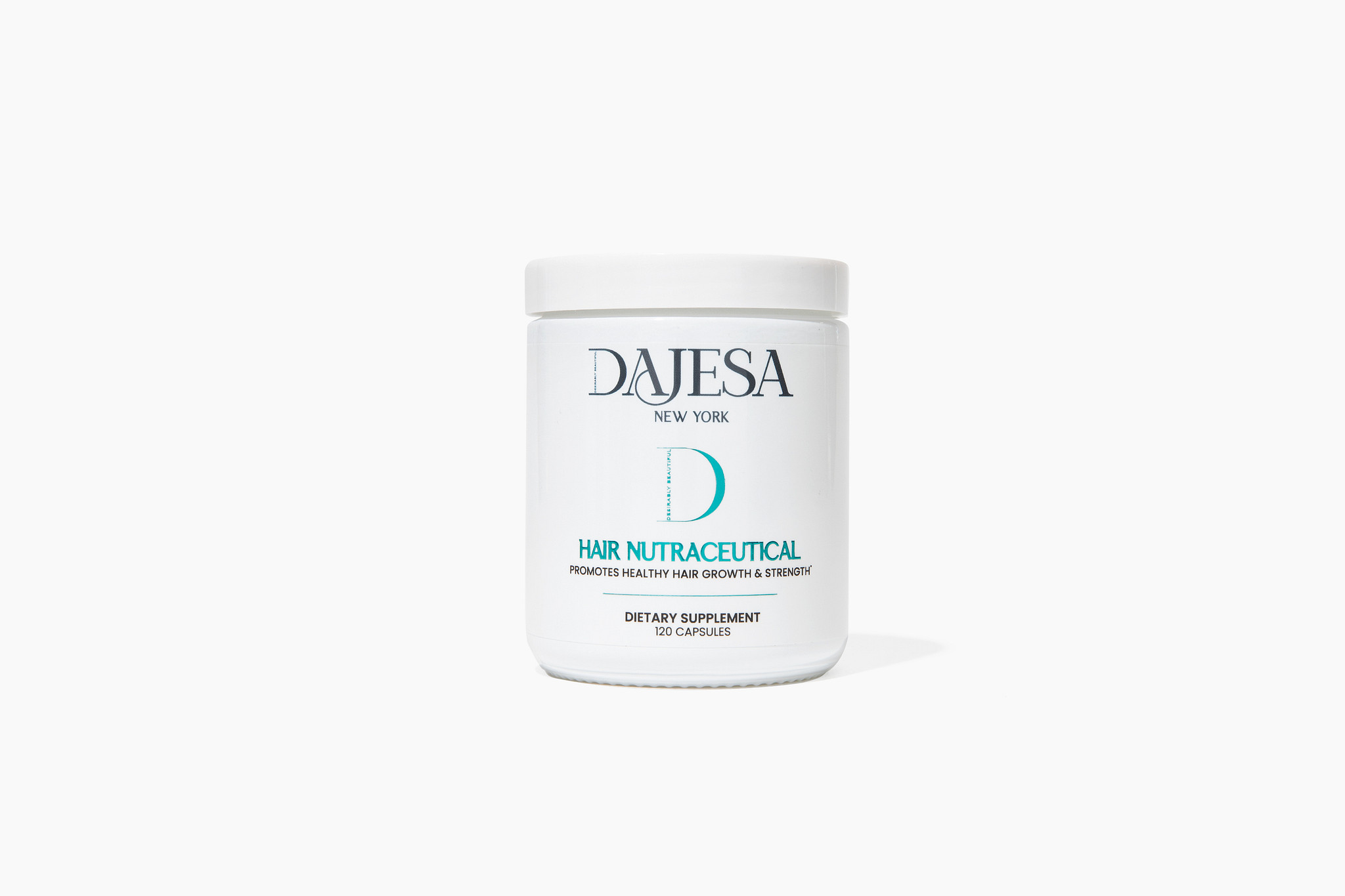
Hair Nutraceutical
A comprehensive daily hair supplement delivering 11 essential vitamins and minerals, 500 mg of collagen peptides, and a 460 mg proprietary blend of...
The Bottom Line
The best product for hair growth is not always the strongest-looking claim. It is the product that matches your cause, fits your routine, and supports the scalp and body consistently. For many women, that means a scalp serum for daily root-level care, a supplement when internal factors are involved, and realistic expectations over several months.
Hair Growth Product FAQ
What is the best product for hair growth?
The best product depends on the cause. A scalp serum is a strong first step for root-level support and scalp imbalance, while a hair supplement may be better when shedding is linked to stress, nutrition, postpartum depletion, or hormonal changes.
Are scalp serums better than hair growth shampoos?
Scalp serums are usually better for leave-on active delivery because they stay on the scalp. Shampoos can support scalp cleanliness, but they are rinsed off quickly, so they are usually best as part of a larger routine.
How long do hair growth products take to work?
Most routines need at least 90 to 120 days of consistent use before early visible changes are fair to evaluate. Meaningful density changes often require 3 to 6 months because the hair cycle moves slowly.
Can a product regrow hair if I have medical hair loss?
Some products can support the scalp or hair cycle, but medical hair loss needs medical evaluation. Sudden, patchy, severe, painful, or medication-related hair loss should be discussed with a dermatologist or physician.
Should I use a supplement and scalp serum together?
For many people, yes. A supplement supports internal nutrition and stress-related pathways, while a scalp serum supports the environment where follicles live. The combination can be more complete than either category alone.
Important: This article is informational and is not medical advice. Individual results vary. Consult a healthcare professional before starting supplements if you are pregnant, nursing, taking medication, managing a medical condition, or experiencing sudden or severe hair loss. DAJESA supplements are not intended to diagnose, treat, cure, or prevent any disease.